Olive Oil Ingredients – composition of the Olive Oil
The Olive Oil Ingredients
Learn more about the Chemical Characteristics of Olive Oil – Fatty Acids, Trans Fatty Acids, Long Chain Fatty Acids, Percentage of Linolenic Acid allowed in olive oil, “Essential” Fatty Acids, Free Fatty Acids (FFA) and Olive Oil Acidity, Polyphenols (Antioxidants), Peroxides, Pigments and Color, Vitamins, Polycyclic Aromatic Hydrocarbons (PAHs) and more…
An informative video on Olive Oil – check the video for more olive oil chemistry, how to keep fresh, how to best use it to give your food a flavor boost
Sme rodinná firma s dlhoročnou tradíciou (založená v roku 1912) zaoberajúca sa výrobou olivového oleja EVOO na ostrove KRÉTA v GRÉCKU. Náš prémiový krétsky extra panenský olivový olej a kulinárske výrobky sa vyvážajú do viac ako 40 krajín sveta prostredníctvom starostlivo vybranej siete partnerov. KONTAKTUJTE NÁS A STAŇTE SA NAŠÍM ĎALŠÍM CENNÝM OBCHODNÝM PARTNEROM! pre extra panenský olivový olej (EVOO) – Organický (Bio) extra panenský olivový olej (Organic EVOO) – Grécke stolové olivy – Balzamikové octy – Lahôdky, všetko z KRÉTY, GRÉCKO
Ukázalo sa, že väčšina polyfenolov v tomto zozname funguje ako antioxidanty a tiež ako protizápalový živiny v tele. Samotný počet a rozmanitosť polyfenolov v olivovom oleji pomáha vysvetliť jedinečné zdravotné prínosy tohto kulinárskeho oleja.
Presné chemické zloženie olivového oleja sa môže líšiť v závislosti od faktorov, ako je odroda olív, podnebie a pôda olivového hája, pestovateľské podmienky, metódy zberu a metódy spracovania pri extrakcii olivového oleja z plodov olív.
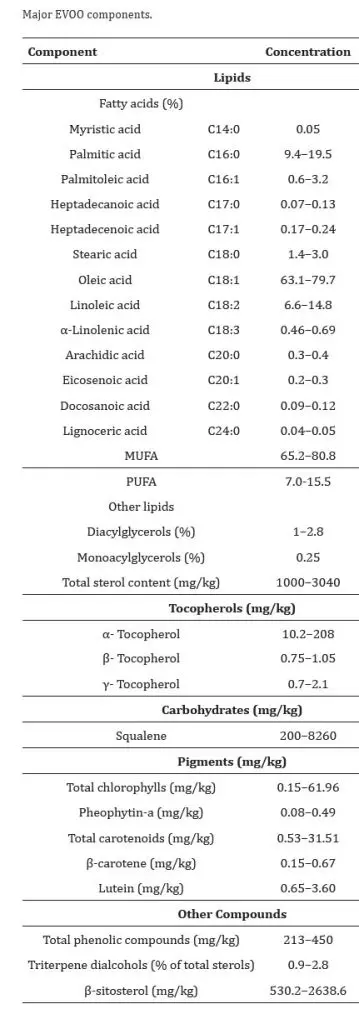
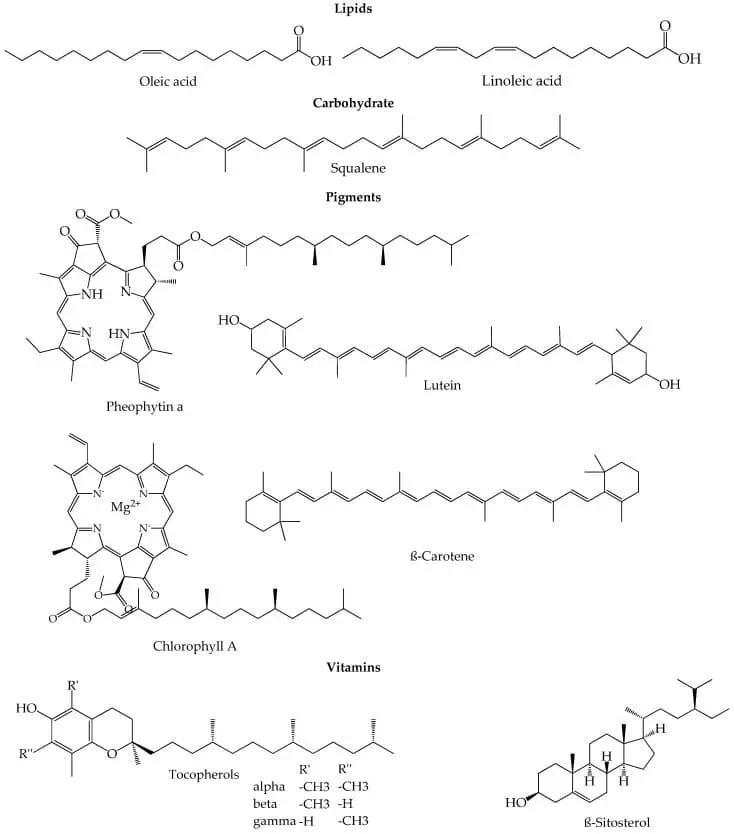
ingredients of Extra-virgin Olive Oil – EVOO main components
Nutrient Composition of Olive Oil & comparison with Nutrient Composition of other oils
List of the Nutrient Composition and Ingredients of Extra Virgin Olive Oil and Olive Oil vs. other oils
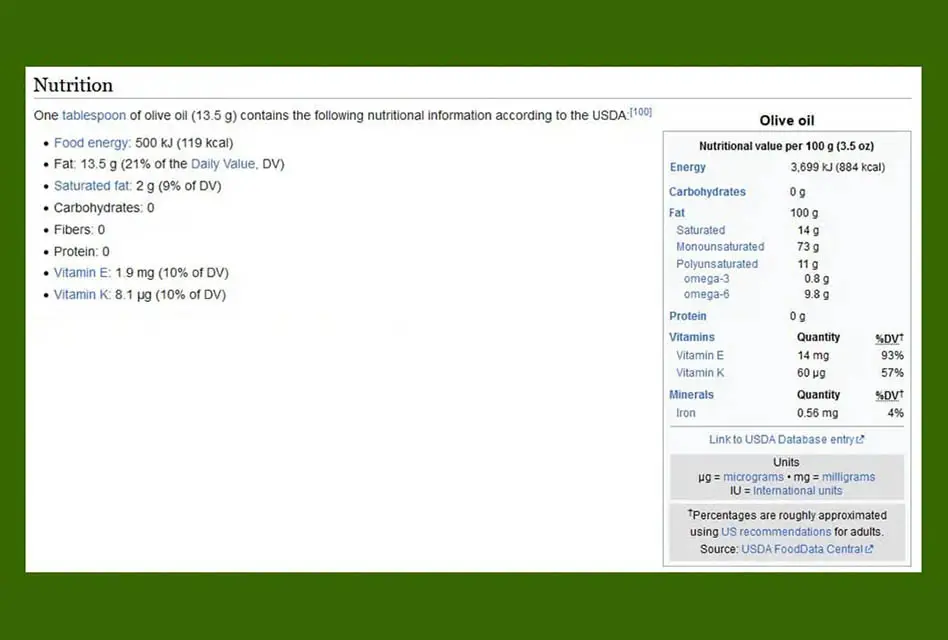
Nutrient composition of extra virgin olive oil:
Extra virgin olive oil is rich in heart-healthy fats, along with vitamin E and vitamin K.
A tablespoon (about 14 grams) of olive oil contains the following nutrients:
Calories: 119
Saturated fat: 14% of total calories
Monounsaturated fat: 73% of total calories (mostly oleic acid)
Polyunsaturated fat (PUFA): 11% of total calories
Vitamin E: 13% of the Daily Value (DV)
Vitamin K: 7% of the DV
Extra virgin olive oil is a great source of antioxidants, which are compounds that help fight inflammation and chronic disease.
The oil’s main antioxidants include the anti-inflammatory oleocanthal, as well as oleuropein, a substance that protects LDL (bad) cholesterol from oxidation.
Some people have criticized olive oil for having a high omega-6 to omega-3 ratio. However, its total amount of polyunsaturated fats is still relatively low, so you probably don’t need to worry.
In addition to extra virgin olive oil, there are many other popular cooking oils available, including regular olive oil, canola oil, vegetable oil, avocado oil, and coconut oil.
Here is a closer look at how extra virgin olive oil compares to these other types of oils:
Yes, olive oil is gluten-free by nature when we’re talking about the main classes (types) of olive oil (pure olive oil, virgin olive oil, extra virgin olive oil). For all olive oils the only real ingredient in olive oil is the olives fruit extract…
There are two exceptions, situations where you need to be a bit careful: 1) when you are dealing with an infused or flavored olive oil. 2) When olive oil is made in a facility that also produces gluten-containing foods
When olive oil is produced in a shared facility that produces gluten-containing foods, there may be a slight possibility for cross-contamination and although the amount of gluten present in an olive oil would be extremely low in these instances, there could potentially be a concern for someone with celiac disease. Its recommended you look for olive oil that is certified gluten-free, or produced in an allergen-free facility.
Infused/Flavored olive oils, the only time you may really run into trouble is when you’re dealing with smoke-flavored olive oil – whether it’s olive oil or any other cooking oil such as canola oil or vegetable oil. In some “natural smoke flavoring,” the gluten-containing grain barley is used as an ingredient. So, these oils should be avoided unless the oil has a gluten-free certification or you’ve ensured that the manufacturer uses a gluten-free version of smoke flavoring.
Is Olive Oil vegan?
Olive oil is a single-ingredient plant-based food, and beside this, during the olive oil production process, there is no addition of animal-derived products.
So even for the strictest vegans, olive oil is perfectly acceptable. Plus, olive oil is also a great source of nutrient-dense fat, which can sometimes be lacking in poorly formulated vegan diets.
The olive tree, Olea Europaea, is native to the Mediterranean basin and parts of Asia Minor. The fruit and compression-extracted oil have a wide range of therapeutic and culinary applications. Olive oil also constitutes a major component of the “Mediterranean diet.” The chief active components of olive oil include oleic acid, phenolic constituents, and squalene. The main phenolics include hydroxytyrosol, tyrosol, and oleuropein, which occur in highest levels in virgin olive oil and have demonstrated antioxidant activity.
Antioxidants are believed to be responsible for a number of olive oil’s biological activities. Oleic acid, a monounsaturated fatty acid, has shown activity in cancer prevention, while squalene has also been identified as having anticancer effects. Olive oil consumption has benefit for colon and breast cancer prevention.
The oil has been widely studied for its effects on coronary heart disease (CHD), specifically for its ability to reduce blood pressure and low-density lipoprotein (LDL) cholesterol.
Antimicrobial activity of hydroxytyrosol, tyrosol, and oleuropein has been demonstrated against several strains of bacteria implicated in intestinal and respiratory infections.
Although the majority of research has been conducted on the oil, consumption of whole olives might also confer health benefits.
Learn more about the Chemical Characteristics of Olive Oil – Fatty Acids, Trans Fatty Acids, Long Chain Fatty Acids, Percentage of Linolenic Acid allowed in olive oil, “Essential” Fatty Acids, Free Fatty Acids (FFA) and Olive Oil Acidity, Polyphenols (Antioxidants), Peroxides, Pigments and Color, Vitamins, Polycyclic Aromatic Hydrocarbons (PAHs) and more…
An informative video on Olive Oil – check the video for more olive oil chemistry, how to keep fresh, how to best use it to give your food a flavor boost
Sme rodinná firma s dlhoročnou tradíciou (založená v roku 1912) zaoberajúca sa výrobou olivového oleja EVOO na ostrove KRÉTA v GRÉCKU. Náš prémiový krétsky extra panenský olivový olej a kulinárske výrobky sa vyvážajú do viac ako 40 krajín sveta prostredníctvom starostlivo vybranej siete partnerov. KONTAKTUJTE NÁS A STAŇTE SA NAŠÍM ĎALŠÍM CENNÝM OBCHODNÝM PARTNEROM! pre extra panenský olivový olej (EVOO) – Organický (Bio) extra panenský olivový olej (Organic EVOO) – Grécke stolové olivy – Balzamikové octy – Lahôdky, všetko z KRÉTY, GRÉCKO
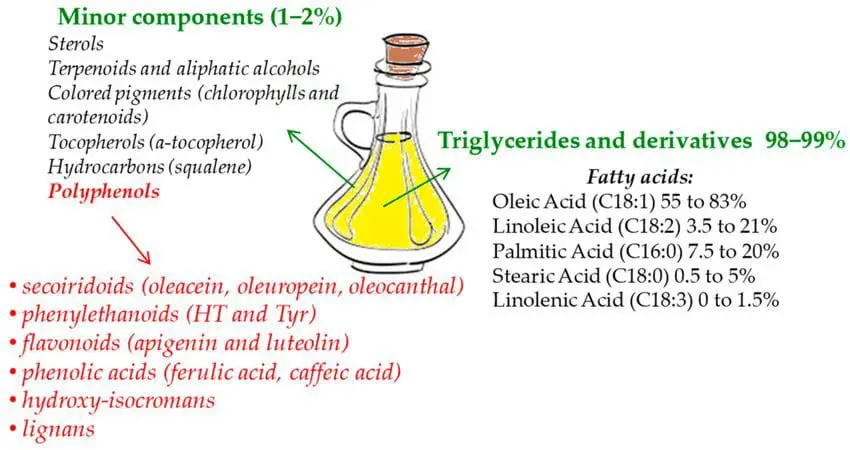
Nižšie uvedený zoznam uvádza niektoré kľúčové polyfenoly nachádzajúce sa v olivovom oleji, zoradené podľa ich chemickej kategórie:
Jednoduché fenoly
Antokyanidíny
– tyrosol
– cyanidins
– hydroxytyrosol
– peonidins
Terpény
Flavonoly
– oleuropein
– quercetin
– ligstroside
– kaempferol
Flavóny
Flavonoidné glykozidy
– apigenin
– rutin
– luteolin
Lignany
Kyseliny hydroxyškoricové
– pinoresinol
– caffeic acid
Kyseliny hydroxybenzoové
– cinnamic acid
– vanillic acid
– ferulic acid
– kyselina striekačka
– coumaric acid
Zloženie olivového oleja
Ukázalo sa, že väčšina polyfenolov v tomto zozname funguje ako antioxidanty a tiež ako protizápalový živiny v tele. Samotný počet a rozmanitosť polyfenolov v olivovom oleji pomáha vysvetliť jedinečné zdravotné prínosy tohto kulinárskeho oleja.
Presné chemické zloženie olivového oleja sa môže líšiť v závislosti od faktorov, ako je odroda olív, podnebie a pôda olivového hája, pestovateľské podmienky, metódy zberu a metódy spracovania pri extrakcii olivového oleja z plodov olív.
ingredients of Extra-virgin Olive Oil – EVOO main components
Nutrient Composition of Olive Oil & comparison with Nutrient Composition of other oils
List of the Nutrient Composition and Ingredients of Extra Virgin Olive Oil and Olive Oil vs. other oils
Nutrient composition of extra virgin olive oil:
Extra virgin olive oil is rich in heart-healthy fats, along with vitamin E and vitamin K.
A tablespoon (about 14 grams) of olive oil contains the following nutrients:
Calories: 119
Saturated fat: 14% of total calories
Monounsaturated fat: 73% of total calories (mostly oleic acid)
Polyunsaturated fat (PUFA): 11% of total calories
Vitamin E: 13% of the Daily Value (DV)
Vitamin K: 7% of the DV
Extra virgin olive oil is a great source of antioxidants, which are compounds that help fight inflammation and chronic disease.
The oil’s main antioxidants include the anti-inflammatory oleocanthal, as well as oleuropein, a substance that protects LDL (bad) cholesterol from oxidation.
Some people have criticized olive oil for having a high omega-6 to omega-3 ratio. However, its total amount of polyunsaturated fats is still relatively low, so you probably don’t need to worry.
In addition to extra virgin olive oil, there are many other popular cooking oils available, including regular olive oil, canola oil, vegetable oil, avocado oil, and coconut oil.
Here is a closer look at how extra virgin olive oil compares to these other types of oils:
Yes, olive oil is gluten-free by nature when we’re talking about the main classes (types) of olive oil (pure olive oil, virgin olive oil, extra virgin olive oil). For all olive oils the only real ingredient in olive oil is the olives fruit extract…
There are two exceptions, situations where you need to be a bit careful: 1) when you are dealing with an infused or flavored olive oil. 2) When olive oil is made in a facility that also produces gluten-containing foods
When olive oil is produced in a shared facility that produces gluten-containing foods, there may be a slight possibility for cross-contamination and although the amount of gluten present in an olive oil would be extremely low in these instances, there could potentially be a concern for someone with celiac disease. Its recommended you look for olive oil that is certified gluten-free, or produced in an allergen-free facility.
Infused/Flavored olive oils, the only time you may really run into trouble is when you’re dealing with smoke-flavored olive oil – whether it’s olive oil or any other cooking oil such as canola oil or vegetable oil. In some “natural smoke flavoring,” the gluten-containing grain barley is used as an ingredient. So, these oils should be avoided unless the oil has a gluten-free certification or you’ve ensured that the manufacturer uses a gluten-free version of smoke flavoring.
Is Olive Oil vegan?
Olive oil is a single-ingredient plant-based food, and beside this, during the olive oil production process, there is no addition of animal-derived products.
So even for the strictest vegans, olive oil is perfectly acceptable. Plus, olive oil is also a great source of nutrient-dense fat, which can sometimes be lacking in poorly formulated vegan diets.
The olive tree, Olea Europaea, is native to the Mediterranean basin and parts of Asia Minor. The fruit and compression-extracted oil have a wide range of therapeutic and culinary applications. Olive oil also constitutes a major component of the “Mediterranean diet.” The chief active components of olive oil include oleic acid, phenolic constituents, and squalene. The main phenolics include hydroxytyrosol, tyrosol, and oleuropein, which occur in highest levels in virgin olive oil and have demonstrated antioxidant activity.
Antioxidants are believed to be responsible for a number of olive oil’s biological activities. Oleic acid, a monounsaturated fatty acid, has shown activity in cancer prevention, while squalene has also been identified as having anticancer effects. Olive oil consumption has benefit for colon and breast cancer prevention.
The oil has been widely studied for its effects on coronary heart disease (CHD), specifically for its ability to reduce blood pressure and low-density lipoprotein (LDL) cholesterol.
Antimicrobial activity of hydroxytyrosol, tyrosol, and oleuropein has been demonstrated against several strains of bacteria implicated in intestinal and respiratory infections.
Although the majority of research has been conducted on the oil, consumption of whole olives might also confer health benefits.
Learn more about the Chemical Characteristics of Olive Oil – Fatty Acids, Trans Fatty Acids, Long Chain Fatty Acids, Percentage of Linolenic Acid allowed in olive oil, “Essential” Fatty Acids, Free Fatty Acids (FFA) and Olive Oil Acidity, Polyphenols (Antioxidants), Peroxides, Pigments and Color, Vitamins, Polycyclic Aromatic Hydrocarbons (PAHs) and more…
An informative video on Olive Oil – check the video for more olive oil chemistry, how to keep fresh, how to best use it to give your food a flavor boost
Sme rodinná firma s dlhoročnou tradíciou (založená v roku 1912) zaoberajúca sa výrobou olivového oleja EVOO na ostrove KRÉTA v GRÉCKU. Náš prémiový krétsky extra panenský olivový olej a kulinárske výrobky sa vyvážajú do viac ako 40 krajín sveta prostredníctvom starostlivo vybranej siete partnerov. KONTAKTUJTE NÁS A STAŇTE SA NAŠÍM ĎALŠÍM CENNÝM OBCHODNÝM PARTNEROM! pre extra panenský olivový olej (EVOO) – Organický (Bio) extra panenský olivový olej (Organic EVOO) – Grécke stolové olivy – Balzamikové octy – Lahôdky, všetko z KRÉTY, GRÉCKO
Aké sú zložky v čistom olivovom oleji? Medzi hlavné aktívne zložky olivového oleja patrí kyselina olejová, fenolové zložky a skvalén.
Olivový olej pozostáva prevažne z kyseliny olejovej (až 83 %) s menším množstvom iných mastných kyselín vrátane kyseliny linolovej (až 21 %) a kyseliny palmitovej (až 20 %). Približne 98 % – 99 % EVOO – extra panenského olivového oleja (zmydelniteľná frakcia) tvoria triglyceridy vo forme prevažne MUFA (kyselina olejová), značné množstvo polynenasýtených tukov (linolová a α-linolénová) a malé množstvo nasýtených tukov (palmitová 7,5 % – 20 % a kyselina stearová 0,5 % – 5 %).
Constituents / Ingredients
Olive oil is composed mainly of the mixed triglyceride esters of oleic acid, linoleic acid, palmitic acid and of other fatty acids, along with traces of squalene (up to 0,7%) and sterols (about 0,2% phytosterol and tocosterols).
Vďaka svojmu postaveniu ako kľúčovej potraviny v stredomorskej strave (a Grécka/krétska strava najmä) a vďaka rozsiahlemu výskumu jeho jedinečného zloženia fytonutrientov sa olivový olej stal legendárnym kulinárskym olejom s veľmi ťažko porovnateľnými zdravotnými výhodami v porovnaní s inými jedlými olejmi. Spomedzi rozsiahleho zoznamu fytonutrientov nie je žiadna kategória živín olivového oleja dôležitejšia ako jeho polyfenoly. Obsah polyfenolov v tomto lahodnom oleji je skutočne úžasný!
Olivový olej má veľmi vysoký obsah mononenasýtené tuky a obsahuje mierne množstvo vitamínov E a K. Extra panenský olivový olej je tiež plný antioxidantov, z ktorých niektoré majú silné zdravotné benefity. Olivový olej z plodov olív a lisovaný olivový olej majú okrem kulinárskeho využitia v ľudskej výžive široké spektrum terapeutických účinkov.
Nižšie uvedený zoznam uvádza niektoré kľúčové polyfenoly nachádzajúce sa v olivovom oleji, zoradené podľa ich chemickej kategórie:
Jednoduché fenoly
Antokyanidíny
– tyrosol
– cyanidins
– hydroxytyrosol
– peonidins
Terpény
Flavonoly
– oleuropein
– quercetin
– ligstroside
– kaempferol
Flavóny
Flavonoidné glykozidy
– apigenin
– rutin
– luteolin
Lignany
Kyseliny hydroxyškoricové
– pinoresinol
– caffeic acid
Kyseliny hydroxybenzoové
– cinnamic acid
– vanillic acid
– ferulic acid
– kyselina striekačka
– coumaric acid
Zloženie olivového oleja
Ukázalo sa, že väčšina polyfenolov v tomto zozname funguje ako antioxidanty a tiež ako protizápalový živiny v tele. Samotný počet a rozmanitosť polyfenolov v olivovom oleji pomáha vysvetliť jedinečné zdravotné prínosy tohto kulinárskeho oleja.
Presné chemické zloženie olivového oleja sa môže líšiť v závislosti od faktorov, ako je odroda olív, podnebie a pôda olivového hája, pestovateľské podmienky, metódy zberu a metódy spracovania pri extrakcii olivového oleja z plodov olív.
ingredients of Extra-virgin Olive Oil – EVOO main components
Nutrient Composition of Olive Oil & comparison with Nutrient Composition of other oils
List of the Nutrient Composition and Ingredients of Extra Virgin Olive Oil and Olive Oil vs. other oils
Nutrient composition of extra virgin olive oil:
Extra virgin olive oil is rich in heart-healthy fats, along with vitamin E and vitamin K.
A tablespoon (about 14 grams) of olive oil contains the following nutrients:
Calories: 119
Saturated fat: 14% of total calories
Monounsaturated fat: 73% of total calories (mostly oleic acid)
Polyunsaturated fat (PUFA): 11% of total calories
Vitamin E: 13% of the Daily Value (DV)
Vitamin K: 7% of the DV
Extra virgin olive oil is a great source of antioxidants, which are compounds that help fight inflammation and chronic disease.
The oil’s main antioxidants include the anti-inflammatory oleocanthal, as well as oleuropein, a substance that protects LDL (bad) cholesterol from oxidation.
Some people have criticized olive oil for having a high omega-6 to omega-3 ratio. However, its total amount of polyunsaturated fats is still relatively low, so you probably don’t need to worry.
In addition to extra virgin olive oil, there are many other popular cooking oils available, including regular olive oil, canola oil, vegetable oil, avocado oil, and coconut oil.
Here is a closer look at how extra virgin olive oil compares to these other types of oils:
Yes, olive oil is gluten-free by nature when we’re talking about the main classes (types) of olive oil (pure olive oil, virgin olive oil, extra virgin olive oil). For all olive oils the only real ingredient in olive oil is the olives fruit extract…
There are two exceptions, situations where you need to be a bit careful: 1) when you are dealing with an infused or flavored olive oil. 2) When olive oil is made in a facility that also produces gluten-containing foods
When olive oil is produced in a shared facility that produces gluten-containing foods, there may be a slight possibility for cross-contamination and although the amount of gluten present in an olive oil would be extremely low in these instances, there could potentially be a concern for someone with celiac disease. Its recommended you look for olive oil that is certified gluten-free, or produced in an allergen-free facility.
Infused/Flavored olive oils, the only time you may really run into trouble is when you’re dealing with smoke-flavored olive oil – whether it’s olive oil or any other cooking oil such as canola oil or vegetable oil. In some “natural smoke flavoring,” the gluten-containing grain barley is used as an ingredient. So, these oils should be avoided unless the oil has a gluten-free certification or you’ve ensured that the manufacturer uses a gluten-free version of smoke flavoring.
Is Olive Oil vegan?
Olive oil is a single-ingredient plant-based food, and beside this, during the olive oil production process, there is no addition of animal-derived products.
So even for the strictest vegans, olive oil is perfectly acceptable. Plus, olive oil is also a great source of nutrient-dense fat, which can sometimes be lacking in poorly formulated vegan diets.
The olive tree, Olea Europaea, is native to the Mediterranean basin and parts of Asia Minor. The fruit and compression-extracted oil have a wide range of therapeutic and culinary applications. Olive oil also constitutes a major component of the “Mediterranean diet.” The chief active components of olive oil include oleic acid, phenolic constituents, and squalene. The main phenolics include hydroxytyrosol, tyrosol, and oleuropein, which occur in highest levels in virgin olive oil and have demonstrated antioxidant activity.
Antioxidants are believed to be responsible for a number of olive oil’s biological activities. Oleic acid, a monounsaturated fatty acid, has shown activity in cancer prevention, while squalene has also been identified as having anticancer effects. Olive oil consumption has benefit for colon and breast cancer prevention.
The oil has been widely studied for its effects on coronary heart disease (CHD), specifically for its ability to reduce blood pressure and low-density lipoprotein (LDL) cholesterol.
Antimicrobial activity of hydroxytyrosol, tyrosol, and oleuropein has been demonstrated against several strains of bacteria implicated in intestinal and respiratory infections.
Although the majority of research has been conducted on the oil, consumption of whole olives might also confer health benefits.
Learn more about the Chemical Characteristics of Olive Oil – Fatty Acids, Trans Fatty Acids, Long Chain Fatty Acids, Percentage of Linolenic Acid allowed in olive oil, “Essential” Fatty Acids, Free Fatty Acids (FFA) and Olive Oil Acidity, Polyphenols (Antioxidants), Peroxides, Pigments and Color, Vitamins, Polycyclic Aromatic Hydrocarbons (PAHs) and more…
An informative video on Olive Oil – check the video for more olive oil chemistry, how to keep fresh, how to best use it to give your food a flavor boost
Sme rodinná firma s dlhoročnou tradíciou (založená v roku 1912) zaoberajúca sa výrobou olivového oleja EVOO na ostrove KRÉTA v GRÉCKU. Náš prémiový krétsky extra panenský olivový olej a kulinárske výrobky sa vyvážajú do viac ako 40 krajín sveta prostredníctvom starostlivo vybranej siete partnerov. KONTAKTUJTE NÁS A STAŇTE SA NAŠÍM ĎALŠÍM CENNÝM OBCHODNÝM PARTNEROM! pre extra panenský olivový olej (EVOO) – Organický (Bio) extra panenský olivový olej (Organic EVOO) – Grécke stolové olivy – Balzamikové octy – Lahôdky, všetko z KRÉTY, GRÉCKO
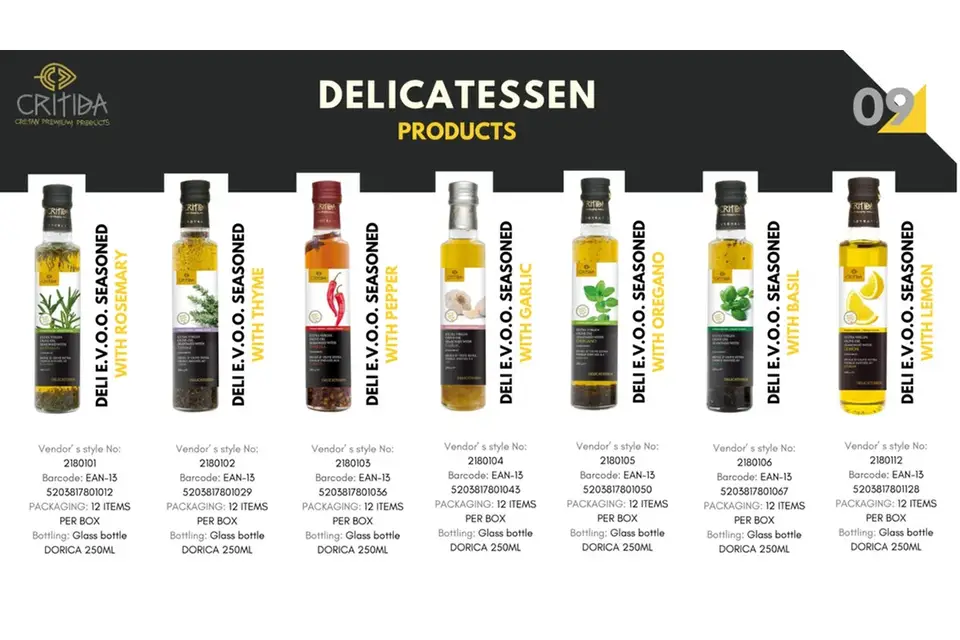
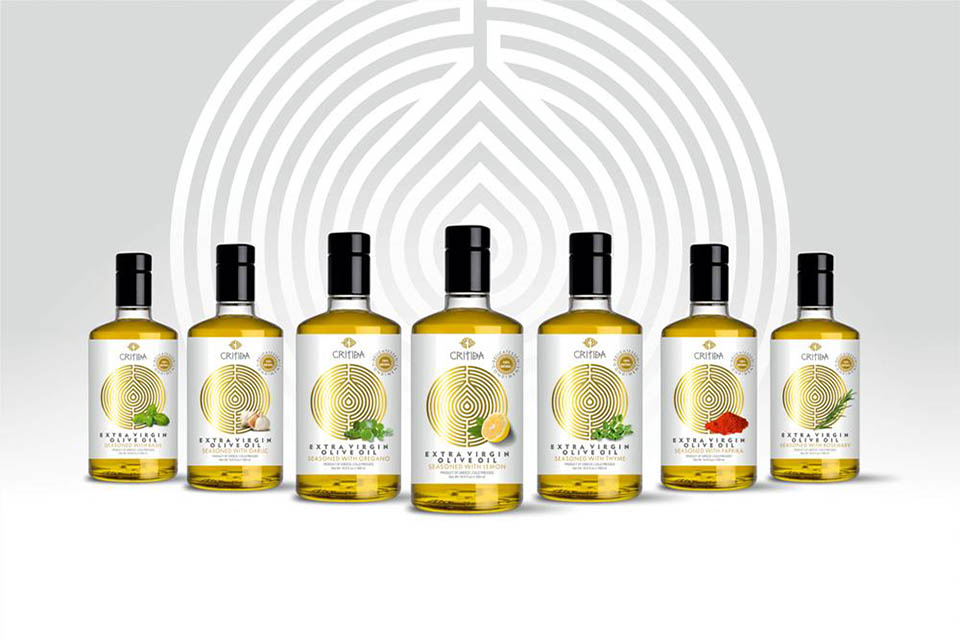
Bylinky a aromatické látky obsiahnuté v EVOO menia trh s olivovým olejom. Ochutené oleje majú dlhú históriu, ktorú používali už staroveké civilizácie...
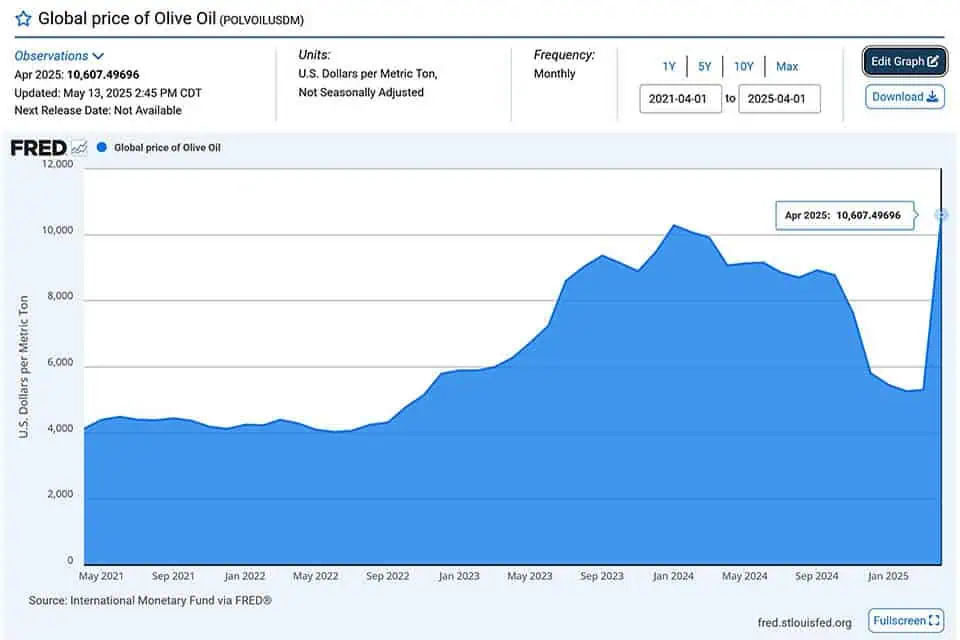
Aké sú ceny olivového oleja v roku 2025? Prečo sa tento rok v niektorých krajinách náklady na nákup extra panenského olivového oleja takmer znížili na polovicu? Európske...


 Veľkoobchod s olivovým olejom – dodávatelia a distribútori veľkoobchodného predaja olivového oleja